Teaching may look fun and interesting from the outside, but it is also considered one of the most challenging professions. Teaching young children, in particular, can feel like stepping into a boxing ring every single day. Each day brings a new bout, and every teacher must develop her own strategy to survive and succeed.
Working with very young children—especially those who are still learning what school is all about—is never easy. The first few days of school are often the most difficult. Some children cry, some refuse to participate, and others struggle to adjust to routines, rules, and separation from their parents. These early days test not only a teacher’s skills but also her patience, understanding, and love for children.
As a teacher of young learners for more than thirty years, I have come to realize that teaching can be both joyful and exhausting. Over the years, I have taught many children. While they are all children, they are never exactly the same. Each child enters the classroom with a unique personality, learning style, and emotional world. How they cope with learning varies greatly—and understanding this difference is one of the most important roles of a teacher.
Teaching Means Dealing With a World of Differences
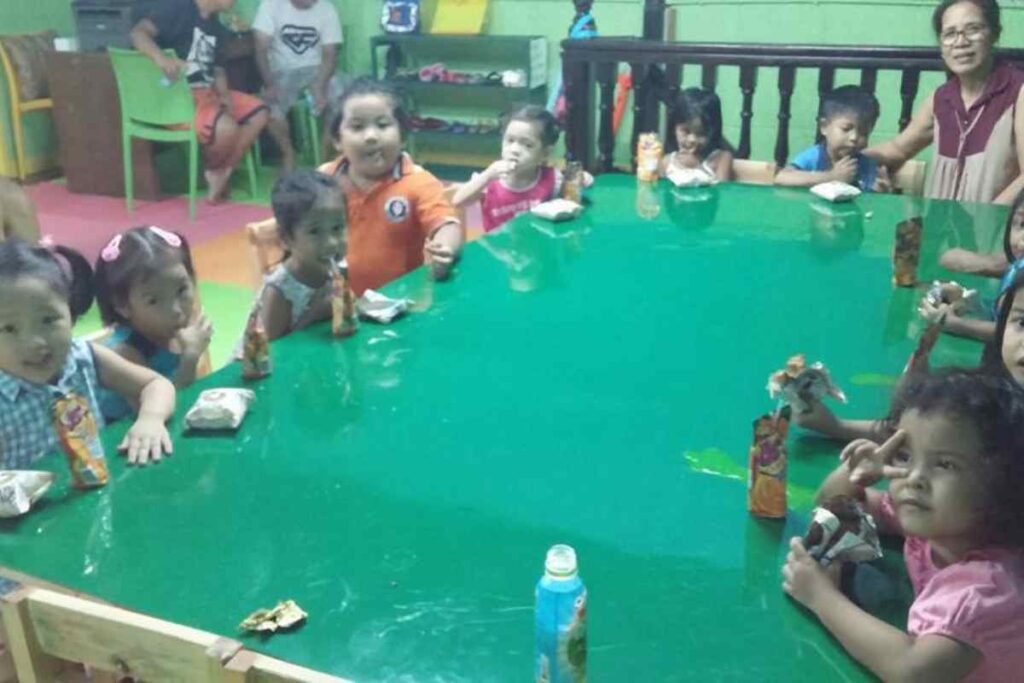
A classroom is a small world filled with different types of children. Recognizing these differences helps teachers respond appropriately and create a positive learning environment.
The Smart Children
Some children naturally enjoy learning. They see school as a fun activity, which is why they often perform well and belong to the top group in the class. These students are usually attentive, cooperative, and easy to manage.
However, smart children also need guidance. At times, they resist correction because they believe they are always right. Teachers must gently remind them that everyone makes mistakes and that learning is a continuous process for all.
The Obedient Children
There are children who attend school simply because they believe it is their duty. They obey their parents and teachers, but they do not necessarily enjoy learning. These children may appear quiet and well-behaved, yet they often feel bored or disconnected from classroom activities.
They may say things like, “I’m tired,” or sit quietly without participating. These children need encouragement, engaging activities, and extra support to help them develop interest and confidence in learning.
The Tantrum Children

Some children are intelligent but struggle with emotional control. They cry, shout, or throw tantrums when they feel frustrated or when things do not go their way. These children need structure, consistency, and understanding.
A teacher should never force a child who is overwhelmed, but at the same time, should not allow tantrums to become an excuse to avoid participation. With patience, guidance, and varied activities, these children can slowly learn to join in without whining or outbursts.
The Difficult Children
There are children who turn small situations into big problems. They find tasks difficult even when others do not. During playtime, they focus on what others have instead of enjoying their own toys. During snack time, they want someone else’s food even when everyone is served the same meal.
These children require a great deal of patience and empathy. Anger and harsh discipline do not work. What they truly need is a calm, gentle, and loving approach. When teachers consistently show care and understanding, these children often begin to relax, cooperate, and change their behavior.
The Emotional Children
Some children express emotions very strongly—joy, sadness, frustration, or anger. Teachers must be sensitive to these emotions. A child who is always sad may be dealing with a problem at home. A child who expresses anger needs guidance to understand that anger is not a solution.
When teachers acknowledge emotions and respond with calmness and understanding, children feel safe. This emotional safety helps create a positive and productive learning environment.
What Can a Teacher Do?
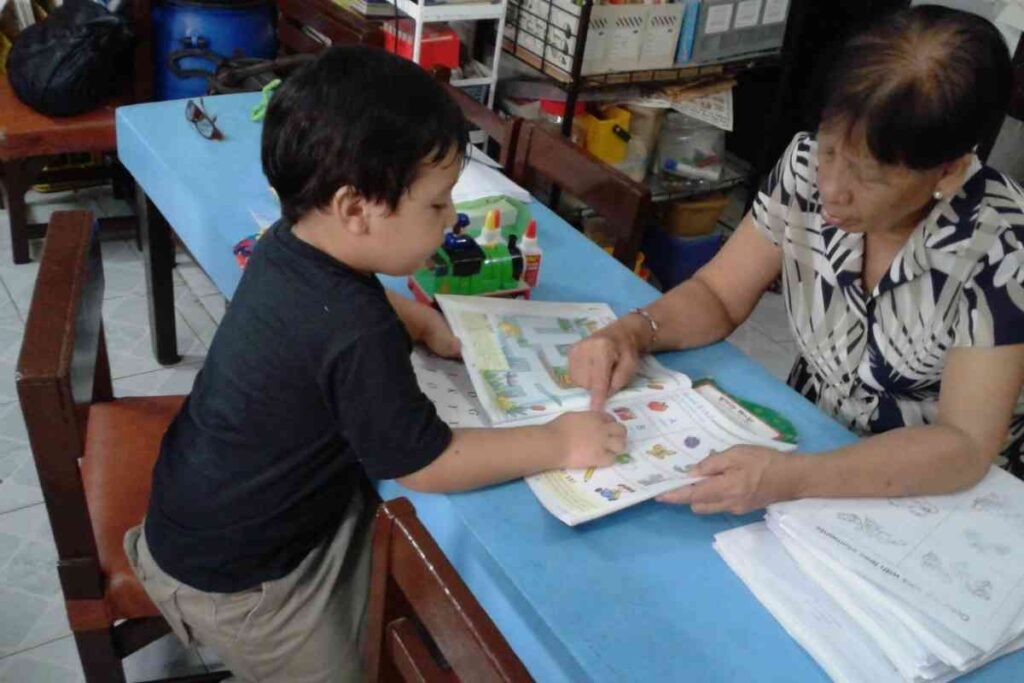
In a classroom of young children, we cannot expect everyone to be the same. Teaching young learners requires creativity, flexibility, and intentional strategies.
Using traditional educational toys is one effective approach. Children naturally love toys, and when learning is combined with play, lessons become more meaningful and enjoyable.
Making school fun is also essential. Young children’s attitudes toward school can change quickly. One day they may love it, and the next day they may resist going. Teachers must continually find ways to make learning exciting and engaging.
What It Takes to Be a Teacher
An Adaptable Personality
A teacher wears many hats. At times, she is a child, a mother, a clown, a disciplinarian, a mentor, and a mediator. Adaptability is crucial when dealing with different personalities and behaviors.
Long Patience and Deep Understanding
Patience is non-negotiable in the world of children. Teachers must understand that children are still learning how to behave, express emotions, and interact with others. Dancing, playing, and learning alongside them builds trust and connection.
A Good Strategist
Classroom management requires quick thinking. Once one child becomes disruptive, others may follow. Teachers must know when to be firm and when to be gentle.
Positive discipline should always come first. Mild consequences may work for some children, while rewards work better for others. If a strategy does not work, it should not be repeated. Prevention, consistency, and calm handling are always more effective than shouting or anger.
Final Thoughts
Handling young children is never easy. Yelling only creates chaos. Calmness brings control. Teaching young learners demands effort, creativity, and heart—but with the right strategies and mindset, it becomes one of the most rewarding experiences.
Teaching children is challenging, but it is also a privilege. With patience, understanding, and a willingness to adapt, teachers can guide every child—no matter how different—toward growth and learning.